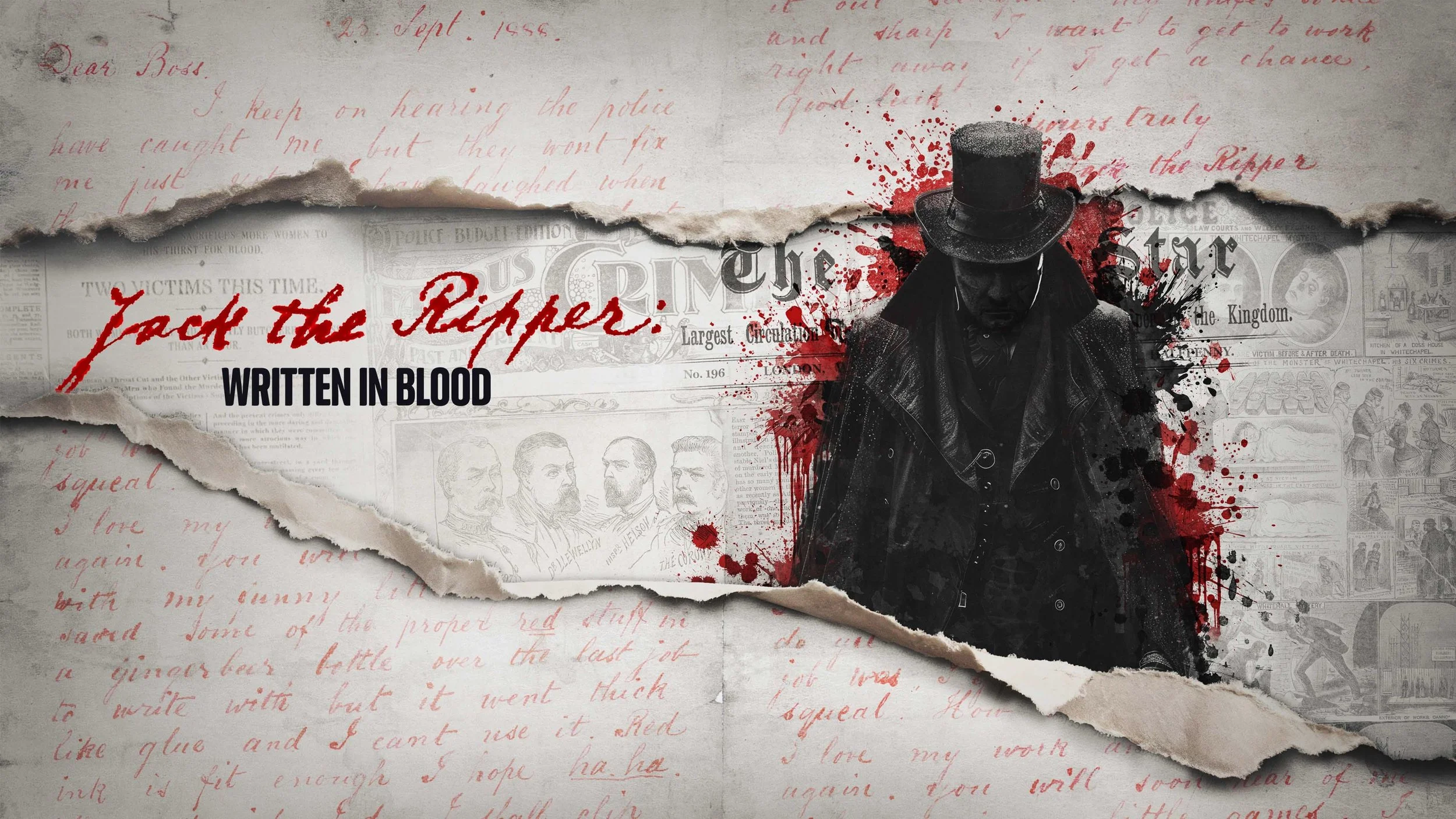
What “Jack the Ripper: Written in Blood” Gets Right — And Why It’s So Unsettling.
It’s pitch dark. You can’t quite tell where you are at first — only that the air feels thick, damp, wrong. Somewhere in the distance, footsteps echo. Not fast. Not slow. Deliberate. You tell yourself it’s only a film, but the FEAR feels and is scarily real.
If you’re reading this dear reader, chances are you’ve probably watched Jack the Ripper: Written in Blood — the recent Sky History drama-documentary series — or you’re thinking about it, and you’re wondering the same uneasy question most viewers search for late at night:
IS Jack the Ripper: Written in Blood a true story — and how accurate is it to real life?
The answer is uncomfortable, because parts of Written in Blood are far closer to the historical reality than you might expect — and other parts are sadly & deliberately shaped to heighten fear, but we are talking not a cheap jump-scare type of fear, but something older and more familiar: the fear of the dark, of being followed, of never quite knowing who you’re walking past.
We explore why it feels real — and importantly where real history quietly diverges from cinematic storytelling.
Atmosphere over answers — and why that’s historically accurate
One thing Written in Blood gets immediately right is how disorienting Whitechapel feels.
Not grim in a theatrical way — but unsettlingly normal.
In Whitechapel, 1888:
Over 80,000 people lived within roughly one square mile
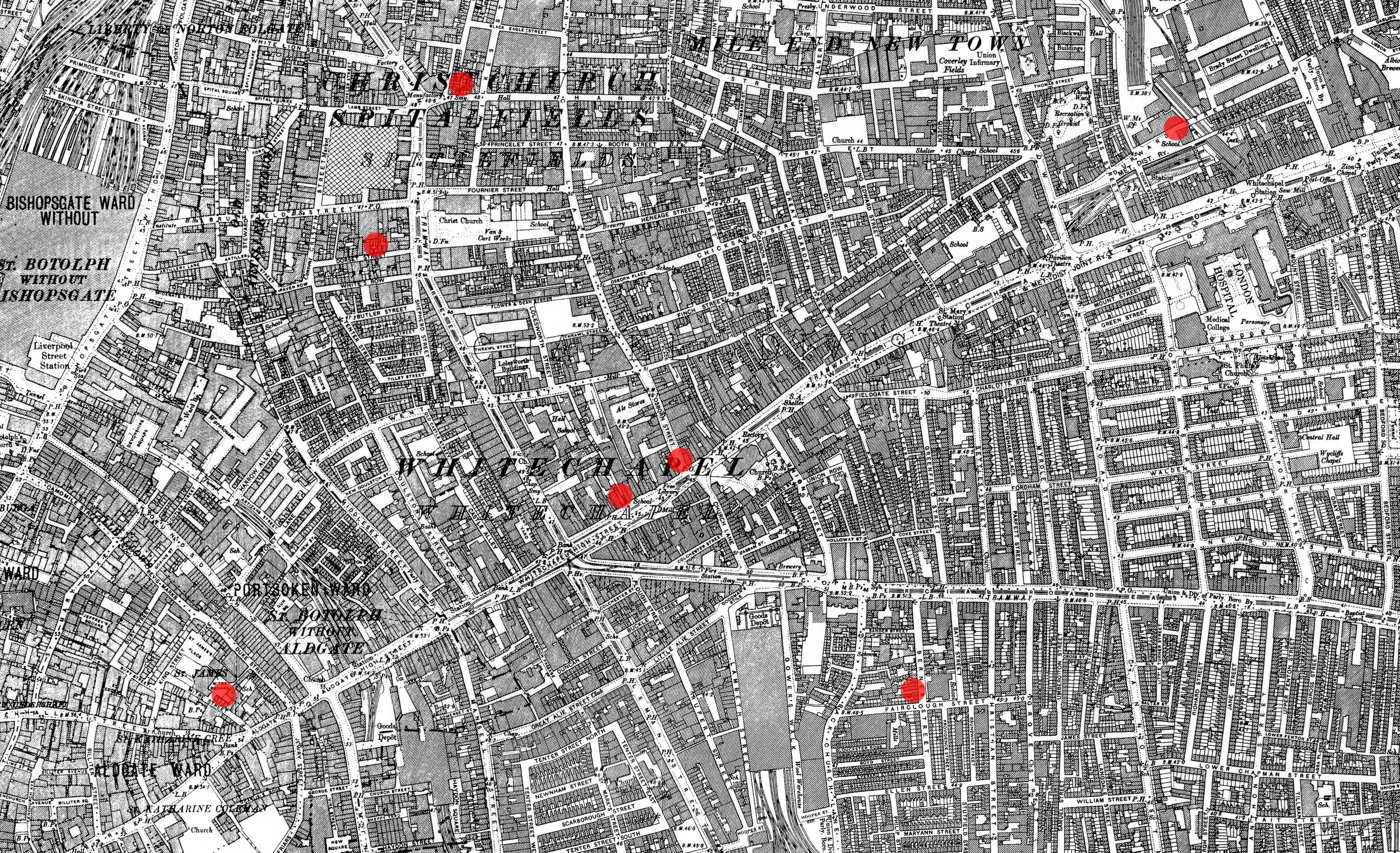
Common lodging houses took in hundreds of transient residents every night
People moved constantly between pubs, doss houses, factories, markets, and streets
Police files from the time repeatedly mention:
Witnesses giving contradictory descriptions
Suspects using aliases
Individuals vanishing overnight without records
This meant something chillingly simple:
Someone could be seen one night… and never traced again.
So when Jack the Ripper: Written in Blood shows faces half-lit by gaslight, figures blending into crowds, and streets that feel like shifting mazes, that isn’t artistic exaggeration.
The Killer: Why the Lack of Definition Is the Most Accurate Choice
Most films about Jack the Ripper want to solve him.
Written in Blood doesn’t — and that choice aligns closely with historical reality.
In real life:
No suspect was ever charged
No suspect was ever conclusively eliminated
Senior officers disagreed fiercely behind closed doors
The investigation involved figures like:
Inspector Frederick Abberline
Sir Charles Warren, Commissioner of the Metropolitan Police
Dr Thomas Bond, police surgeon
They never reached consensus on:
Whether the killer had anatomical knowledge
Whether he acted alone
Whether all the murders were committed by the same person
Some believed the killer was local.
Others thought he was a travelling worker.
Some suspected a medical man.
Others a butcher, slaughterman, or barber.
So when people ask “Is Jack the Ripper: Written in Blood accurate?”
This is the key point:
Jack the Ripper is frightening precisely because he is unfixed.
That uncertainty is not a flaw.
It is the most historically honest part of the series.
The Violence: Brutal, Brief, and Incomprehensible
The violence in Written in Blood feels:
Swift, Close and Uncomfortably intimate. That matches historical medical evidence more than many viewers realise. Dr Thomas Bond’s original reports describe: Throats cut from left to right, Mutilations carried out rapidly and no signs of prolonged struggle
This suggests:
Surprise
Confidence
Speed
What the series exaggerates is ritual.
There’s no firm evidence the killer staged scenes symbolically.
But there is clear evidence of escalation — particularly in the murders of Catherine Eddowes and Mary Jane Kelly. Victorians weren’t traumatised by gore alone.
They were traumatised by how suddenly normal life broke apart.
One moment: a familiar street.
The next: something impossible to comprehend. That emotional shock is something Written in Blood gets disturbingly right.
The Letters: When Myth Overtook Murder
More than 300 letters were sent during the investigation claiming to be from Jack the Ripper.
Most historians now agree that unfortunately and all too predictably, many were hoaxes, some were likely written by journalists and only a small number may have come from someone connected to the crimes
The “Dear Boss” letter is widely believed to be a press invention.
The “From Hell” letter, which arrived with part of a human kidney, remains disputed.
But here’s the crucial thing: The letters mattered even if they weren’t real. They gave the killer a name, created a persona and turned murder into narrative. By the time the press finished with him, Jack the Ripper was no longer just a criminal. He was a character, and that’s why Jack the Ripper: Written in Blood focuses so heavily on media, myth, and audience — because historically, that’s where the case changed forever.
Why this still haunts us even in 2026
This story endures because it mirrors fears we all every day can still recognise in our every day lives no matter where we live. The Random violence and Institutional failure of the London Met Police even today.
In 1888:
Police patrols increased
Vigilante groups formed
Women carried makeshift weapons
Public trust in authority collapsed
The film does well to reflects this with: Long silences, No rescue moments and importantly, no reassurance. So it feels unresolved because it is unresolved.
What the Series Gets Wrong — With Real Examples
Clear Narrative Closure — Real Life Had None
Drama demands an ending.
Reality gave:
Conflicting police memoranda
The sudden resignation of Sir Charles Warren
No arrest
No confession
The murders didn’t end with answers.
They simply… stopped.
No explanation was recorded.
No file was ever truly closed.
That lack of closure terrified Victorians — and it still unsettles modern viewers asking whether Written in Blood is based on a true story.
Condensed timelines — reality was slower and far more disturbing
The series compresses events for momentum.
In real life:
The canonical murders occurred between 31 August and 9 November 1888
Weeks passed between attacks
Each killing reignited panic
The fear didn’t explode all at once. Instead it simmered, so every quiet night felt temporary and every lull felt like a lie. That waiting — not constant violence — was the real terror.
Simplified Suspects — Reality Was a Maze
On screen, suspects feel limited.
In reality:
Dozens were investigated
Many were cleared on thin evidence
Others vanished from records entirely
Suspects included:
Locals
Immigrants
Medical students
Sailors
Clerks
The mentally ill
Even royalty (in later conspiracy theories)
No suspect survived the intense scrutiny at the time. Which leads to the most unsettling historical truth of all: The system failed — not simply through incompetence, but because the environment made certainty impossible.
Conclusion: so is the film “Jack the Ripper: written in blood” close to the real life reality of the Ripper Murders?
It is not a documentary, it’s a film and so it simplifies due it’s time frame and length a very complex history. On balance it positively captures and reflects very well to the viewers the investigative failures and the powerful psychological fear created and felt at that time of the murders. However, importantly Jack the Ripper wasn’t just a killer.. he was ultimately a product of poverty and a failure of social systems. This is very important to understand the WHY.